

When it comes to reproductive trauma, losing a baby during pregnancy is definitely on the list. And there are a few things about it that make it especially difficult.
One is that you're not only experiencing trauma. You're also dealing with grief and loss. There are a lot of emotions and a lot of confusion, and a lot that goes into it. So let me touch on some of those things.
Early loss: grieving when hardly anyone knows
In the United States, a loss before 20 weeks of pregnancy is usually called a miscarriage (CDC). Early pregnancy loss is common, happening in about 10% of known pregnancies (ACOG, 2018). But how common it is doesn't change how much it can hurt.
One of the things I find really hard about early loss is the lack of support.
Many times, especially with an early loss, you haven't told very many people. Maybe you haven't announced your pregnancy yet. Then it can feel hard to bring up a loss when people didn't even know you were pregnant. But those feelings are still real and still difficult to manage, and you end up managing them on your own.
The other side of that is when you have told people, and they don't really get it. They don't understand why you're still sad, or why you're that sad when you weren't very far along. They don't necessarily see it as a big deal.
Unless you've experienced a loss, or been close to someone who has, I think it can be easy to see it that way. But any loss, even a really early one, even before the end of the first trimester, can be devastating.
Later loss and the loss of the imagined future
When a baby dies after 20 weeks of pregnancy, it's usually called a stillbirth (CDC). Everything I've said about early loss applies here too, especially as you get closer to your due date. And I think two of the hardest things about a later loss are ambiguous loss and what I call the loss of the imagined future.
You find out you're pregnant, and you start creating an idea of what your life is going to look like. By this point, a lot of people have had a baby shower. You've decorated the nursery, bought clothes, and picked a name. Maybe you've seen your baby on ultrasounds. All of it has made this feel very real, because it is real. You've grown to love this baby so much.
And then your baby dies, and it turns into: now I don't have a baby to hold. I'm going home, and what do I do about the nursery? What do I do with all the gifts people gave me? What does my future look like? What about future pregnancies? Do I want more kids now? What if this happens to me again?
It's a very complicated situation, on top of the medical trauma that often goes along with it. Memories of getting to the hospital, of having to deliver a baby who wasn't breathing, and everything that comes with that can be really hard.
Treating the trauma and the grief together
Because losing a baby during pregnancy is both, our approach in therapy is often multi-faceted. We're dealing with the trauma of what happened and with the grief.
For me and for the therapists at Lotus Rose Counseling, the trauma part often means EMDR or ART (Accelerated Resolution Therapy) to help process whatever felt the most traumatic for you. Maybe it was the ultrasound where you found out. Maybe it was the delivery, or coming home from the hospital. Whatever felt most traumatic, we can go in and process that.
This isn't about forgetting your baby. I write more about that in our post on infant loss: the goal is to quiet the hardest memories so there's more room for the ones you want to keep.
For the grief, there are a few different things we'll do. But I think the thing that makes the biggest difference is simply holding space. Letting you tell your story, express what the grief feels like, and find an outlet for it.
Grief and mourning aren't the same thing
Something I talk about with my clients is the difference between grief and mourning. Grief is the internal experience of your loss. It's feeling the feelings that come along with it. Mourning is the outward expression of those feelings.
It's important to find ways to express your grief. Sometimes that's through art, sometimes through movement, sometimes through service to other people. It can help to make it almost a ritual, a way to honor your baby. Maybe on the one-year anniversary of the loss, you do a service project. Or on the first Christmas without your baby, you put up a stocking for them and talk about them. If this is your first holiday season since your loss, it's okay to make room for your baby in it.
That's another hard part of pregnancy loss. When we grieve someone we knew, we grieve the experiences we had with them. We have memories, maybe their clothes, the smell of them, their hobbies. We have something to hold onto, and that makes rituals a little easier.
When you lose a baby who never lived outside the womb, it's harder to find those things. So we often have to get really creative and figure out what would bring meaning to you.
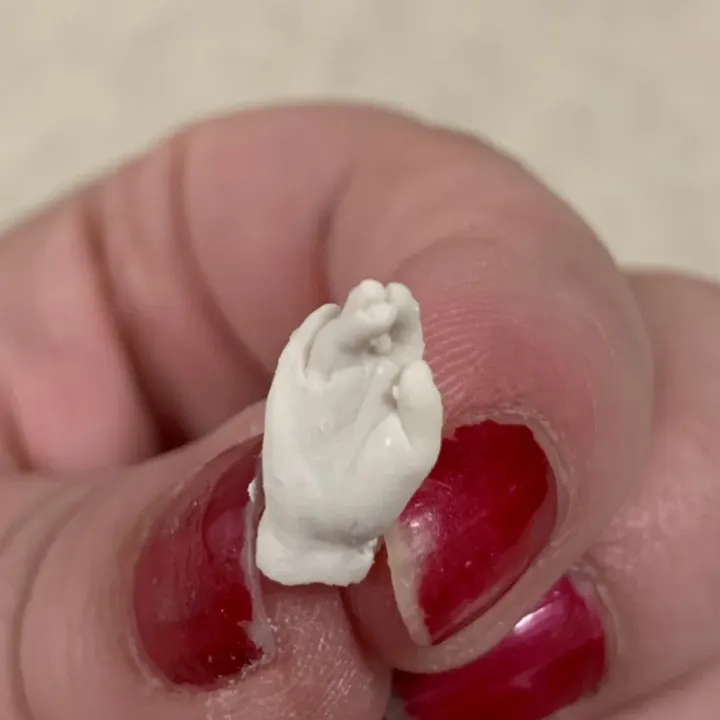
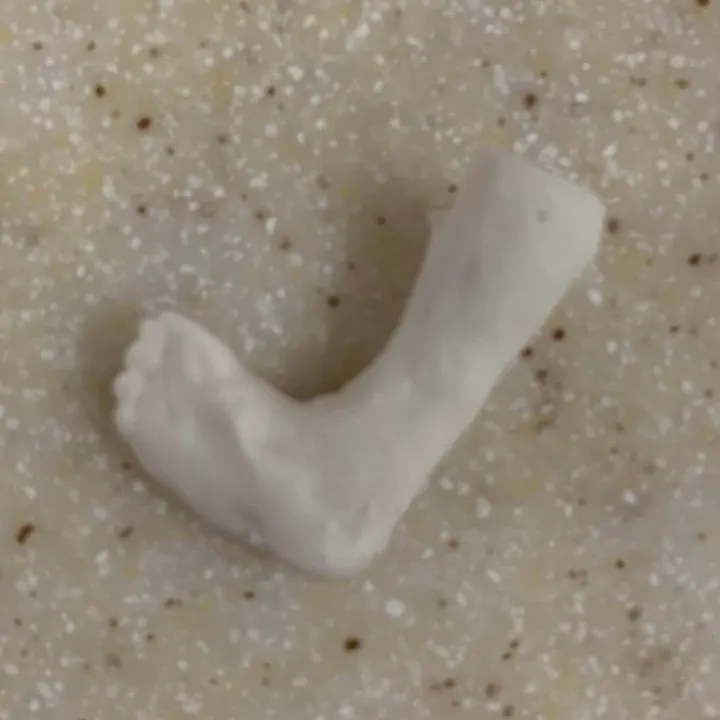
The parts no one warns you about
Arms that ache to hold your baby
Something I think is misunderstood is how physically painful this can be. People wonder, why does this hurt so much physically? Why do my arms hurt?
That's such a valid thing to feel. Your arms can literally ache to hold your baby. Your body has a visceral reaction to the absence of your baby, and it's so hard to feel that and not be able to do anything about it.
There are companies that make stuffed animals weighted to your baby's weight, so your arms don't feel so empty. I've heard it both ways. Some people don't want the bears, because they would rather hold their baby. And of course you would. But for some people, a weighted bear eases some of that pain.
Your milk can still come in
Another thing that's misunderstood is that your milk can still come in, especially after a later loss. And then what do you do with that? You're producing milk, and you have nowhere for it to go.
Your OB, midwife, or a lactation consultant (IBCLC) can walk you through your options, which can include letting your supply decrease gradually, medication, or donating milk. And it's something we can talk through together in therapy, so you can find what feels right for you.
How we help at Lotus Rose
At Lotus Rose Counseling in Orem, Utah, we work with miscarriage, stillbirth, and infant loss as both grief and trauma. We use EMDR or ART for the moments that keep replaying, and we make room for the grief: your story, your rituals, and the practical questions no one prepares you for. Learn more about our pregnancy and infant loss counseling. If you're also navigating trying to conceive again, our infertility counseling may help too. We see clients in person in Orem and by telehealth across Utah.
This is something I'm very passionate about. I have a lot of love in my heart for people who have experienced this kind of loss, and it's one of my favorite things to help people with, because of how sacred it is.
If you're having thoughts of suicide or harming yourself, please reach out right away. Call or text 988 to reach the Suicide & Crisis Lifeline, or call or text 1-833-TLC-MAMA (1-833-852-6262) for the National Maternal Mental Health Hotline, available 24/7.
Sources
- American College of Obstetricians and Gynecologists. (2018). ACOG Practice Bulletin No. 200: Early pregnancy loss. Obstetrics & Gynecology, 132(5), e197–e207. doi:10.1097/AOG.0000000000002899
- Centers for Disease Control and Prevention. About stillbirth. cdc.gov/stillbirth/about